
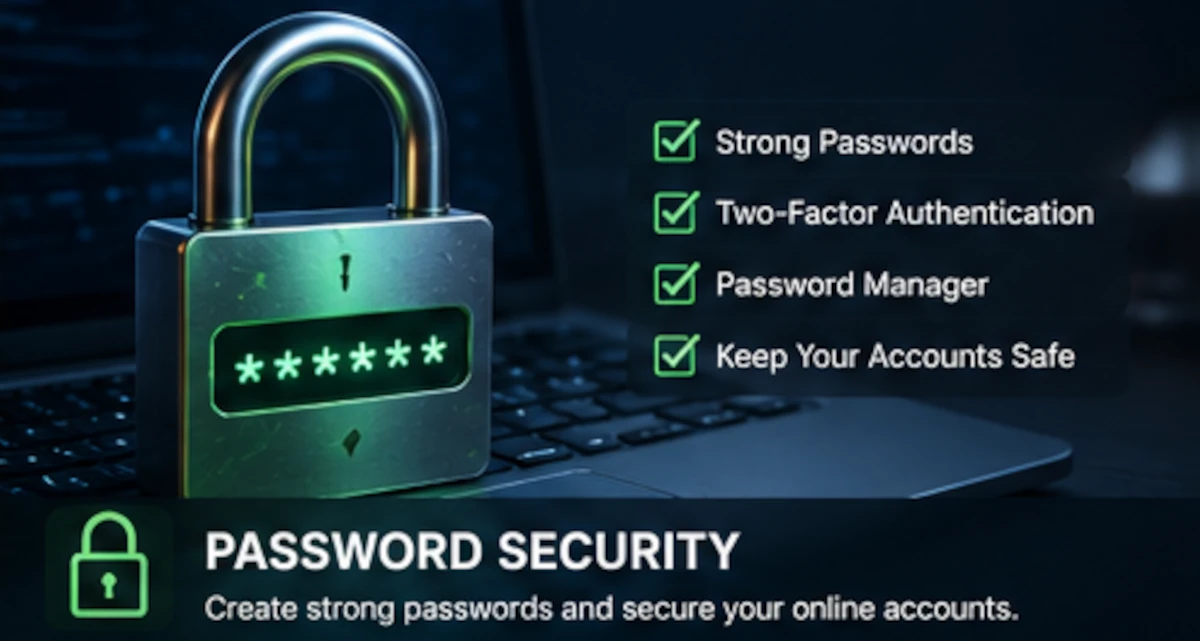
Create Strong Passwords & Secure Accounts
Discover password managers, multi-factor authentication, passkeys and account recovery best practices.
Read Tutorial →Discover practical cybersecurity tutorials covering password security, malware protection, ethical hacking, VPNs, encryption, firewalls and safe internet practices.
Start Learning
Build your cybersecurity knowledge one topic at a time.
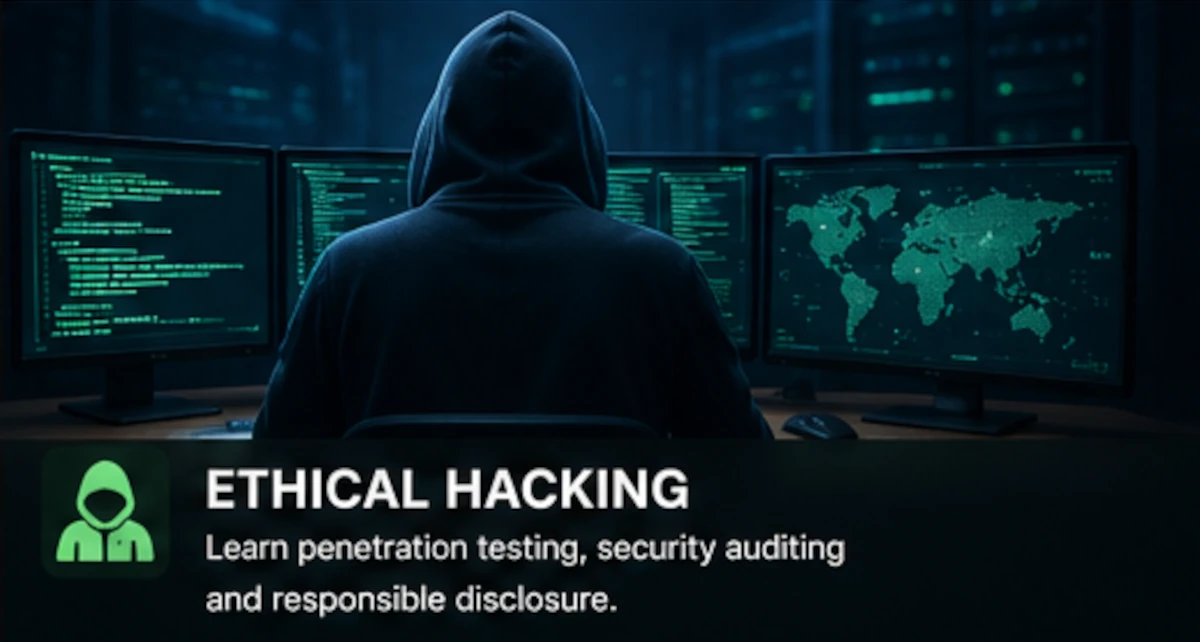
Learn penetration testing, security auditing and responsible disclosure.
Learn More →Learn how to defend yourself, your devices and your business against modern cyber threats with practical, easy-to-follow guides.
Discover password managers, multi-factor authentication, passkeys and account recovery best practices.
Read Tutorial →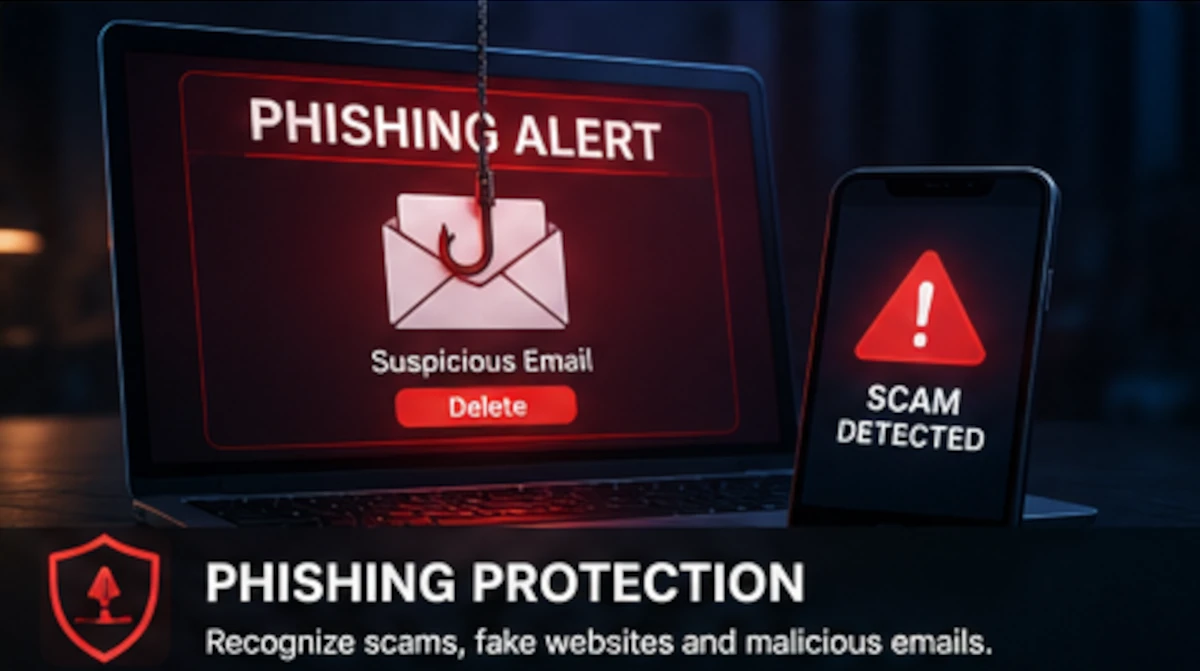
Learn how to identify fake emails, malicious links, fraudulent websites and online scams.
Read Tutorial →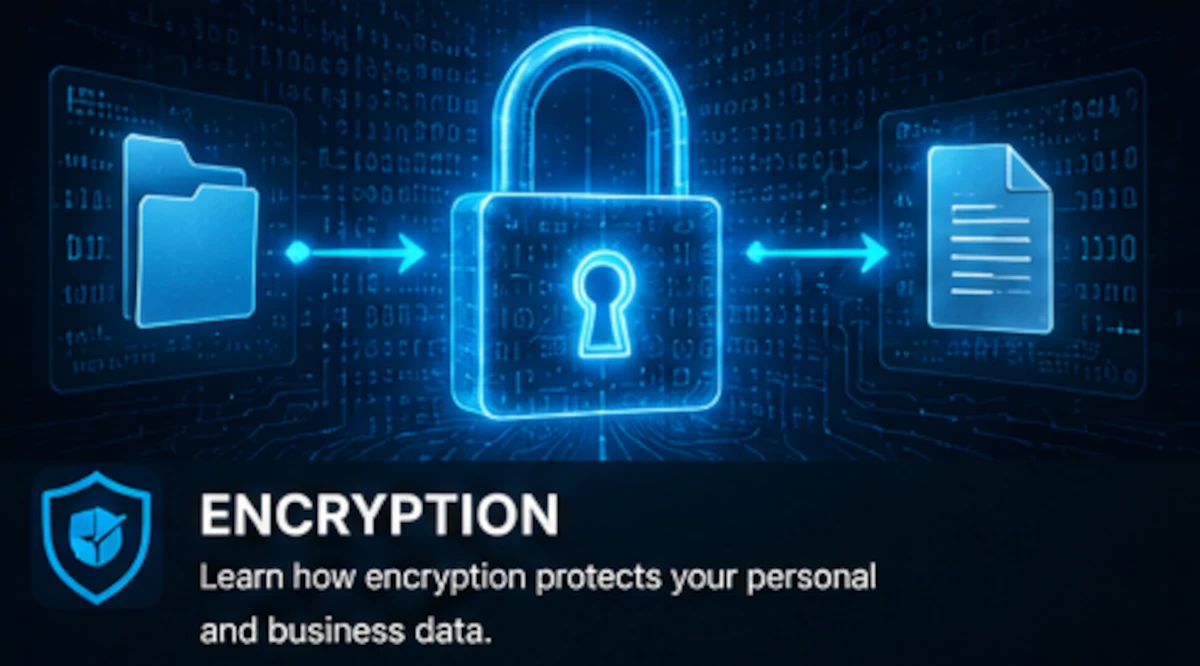
Learn how encryption protects files, messages, websites and online transactions.
Read Tutorial →Build your cybersecurity skills step by step, from basic online safety to advanced security concepts.
Safe browsing, passwords, software updates and secure Wi-Fi.
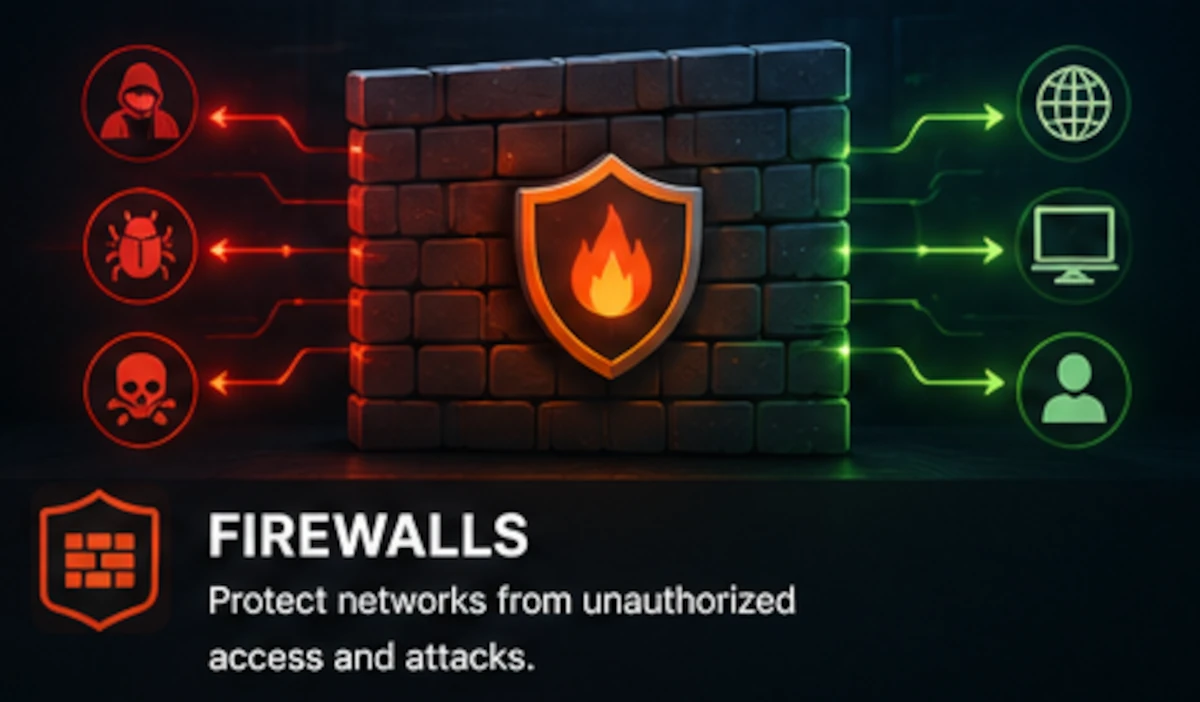
Firewalls, routers, VPNs, DNS security and secure communications.
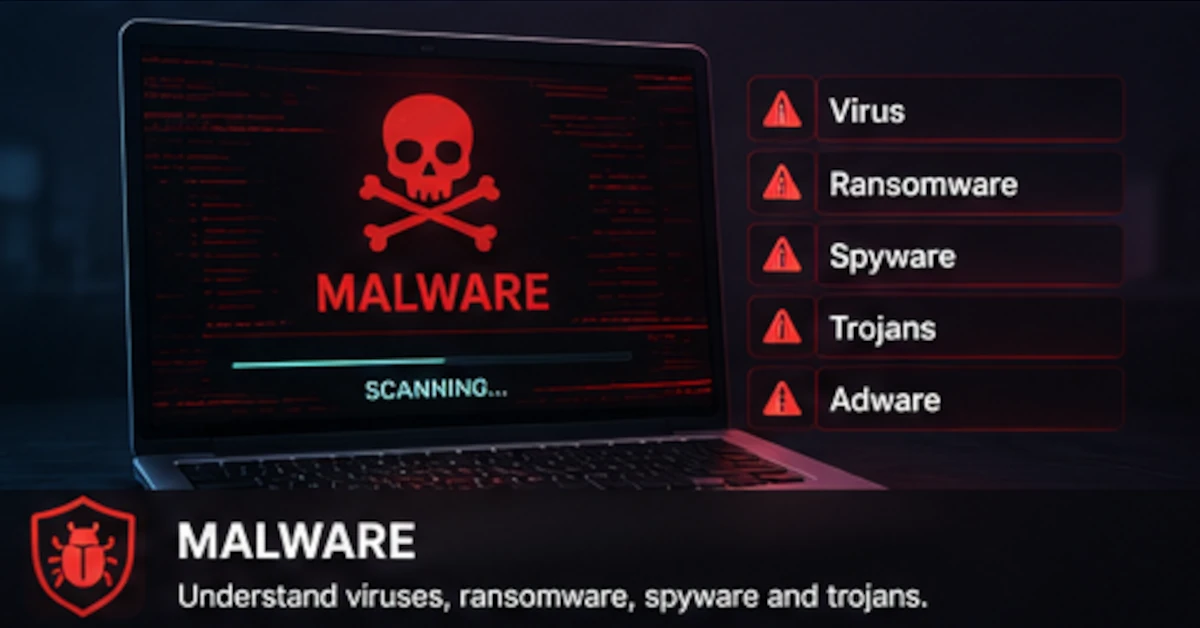
Malware, phishing, ransomware, spyware and social engineering.
Security testing, penetration testing, vulnerability assessment and reporting.
Protect systems, networks and organizations against cyber threats.
Every cybersecurity professional relies on trusted tools to analyze, monitor and secure systems.
Securely store and generate strong passwords.
Protect computers against viruses, malware and ransomware.
Encrypt internet traffic and protect your online privacy.
Control incoming and outgoing network connections.
Monitor suspicious activity and unusual traffic.
Identify vulnerabilities before attackers do.
Good cybersecurity habits significantly reduce the risk of data breaches, malware infections and identity theft.
Create unique passwords for every account and enable multi-factor authentication whenever possible.
Install operating system and application updates promptly to protect against known vulnerabilities.
Be cautious with emails, attachments and unknown links. Verify the sender before responding.
Maintain regular backups so important files can be restored after hardware failures or ransomware attacks.
Protect sensitive information by using HTTPS websites and trusted VPN services on public networks.
Review login activity and financial transactions regularly to detect suspicious activity early.
Cybersecurity professionals are needed across governments, businesses, financial institutions and technology companies.
Monitor systems, investigate alerts and respond to security incidents.
Identify weaknesses by legally testing the security of systems.
Design and implement secure networks, applications and infrastructure.
Investigate cyber incidents and recover digital evidence.
Help organizations improve their cybersecurity posture and comply with security standards.
Different security technologies work together to provide comprehensive protection against modern cyber threats.
| Technology | Main Purpose | Protection Level |
|---|---|---|
| Firewall | Network Protection | ⭐⭐⭐⭐ |
| Antivirus | Malware Detection | ⭐⭐⭐ |
| VPN | Privacy & Encryption | ⭐⭐⭐⭐ |
| Encryption | Protect Sensitive Data | ⭐⭐⭐⭐⭐ |
| Password Manager | Credential Security | ⭐⭐⭐⭐ |
| Multi-Factor Authentication | Identity Protection | ⭐⭐⭐⭐⭐ |
Cyber threats continue to evolve every day. Neyews provides practical cybersecurity knowledge, step-by-step tutorials and best practices to help individuals and businesses stay protected.
Explore Cybersecurity Articles