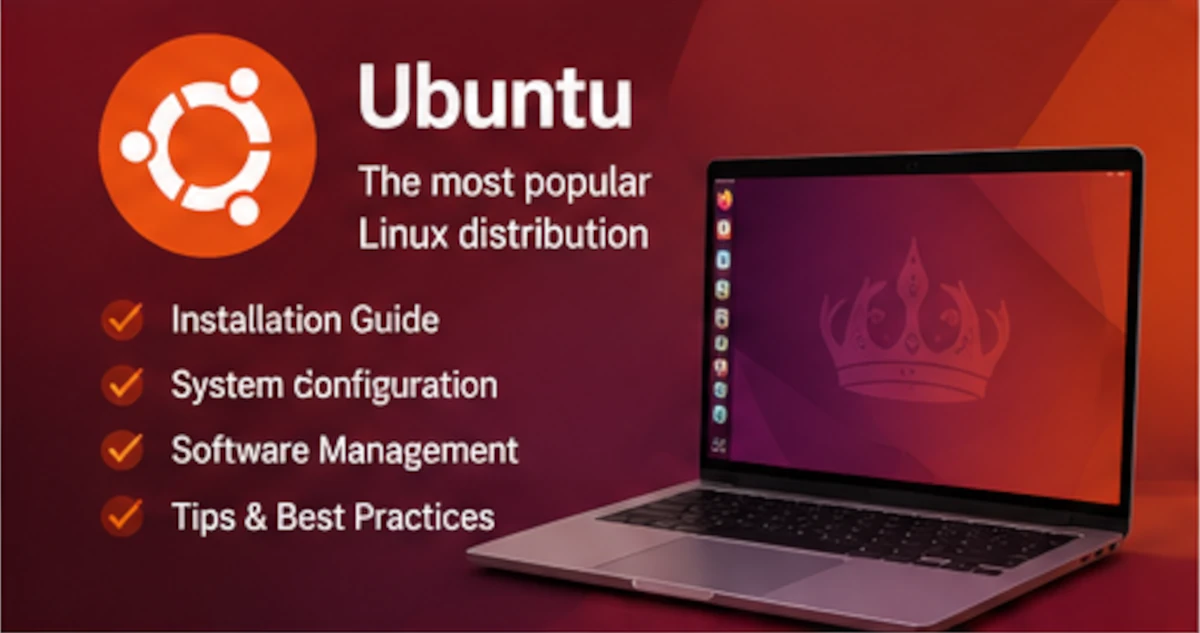
Getting Started with Ubuntu
Install Ubuntu, configure your desktop, manage software packages and become productive quickly.
Read Tutorial →Learn Linux through practical tutorials covering Ubuntu, shell scripting, servers, networking, security, system administration and open-source software.
Start Learning Linux
Everything you need to become confident using Linux.
Build practical Linux skills through step-by-step tutorials covering Ubuntu, Bash scripting, servers, networking and system administration.
Install Ubuntu, configure your desktop, manage software packages and become productive quickly.
Read Tutorial →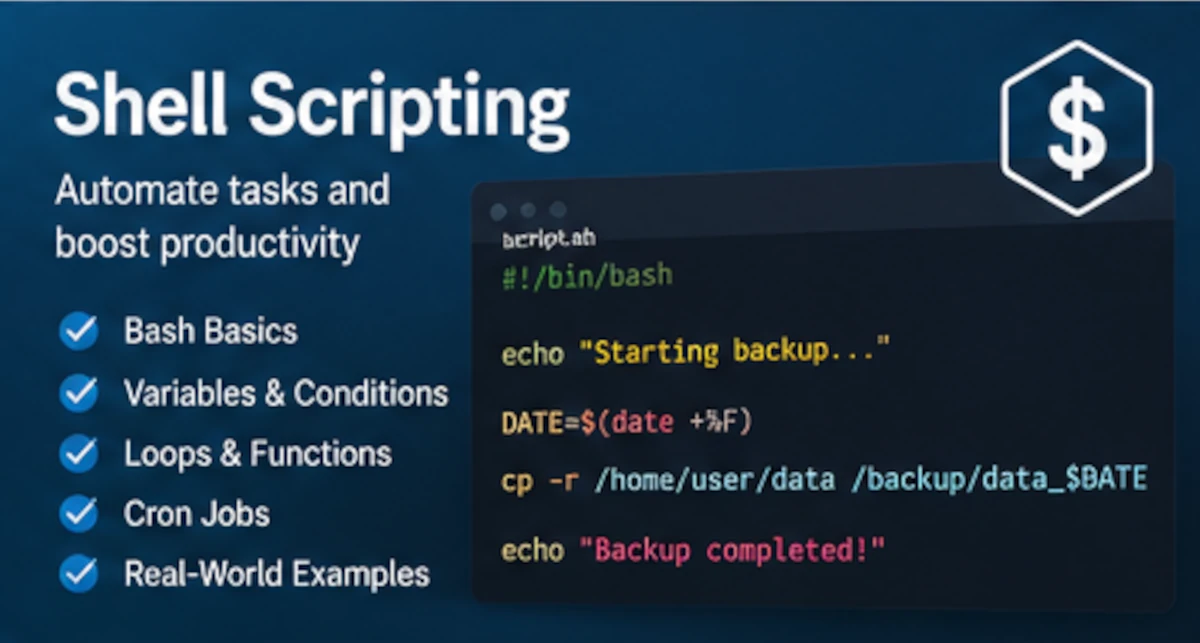
Learn variables, loops, conditions, functions and automation using Bash scripts.
Read Tutorial →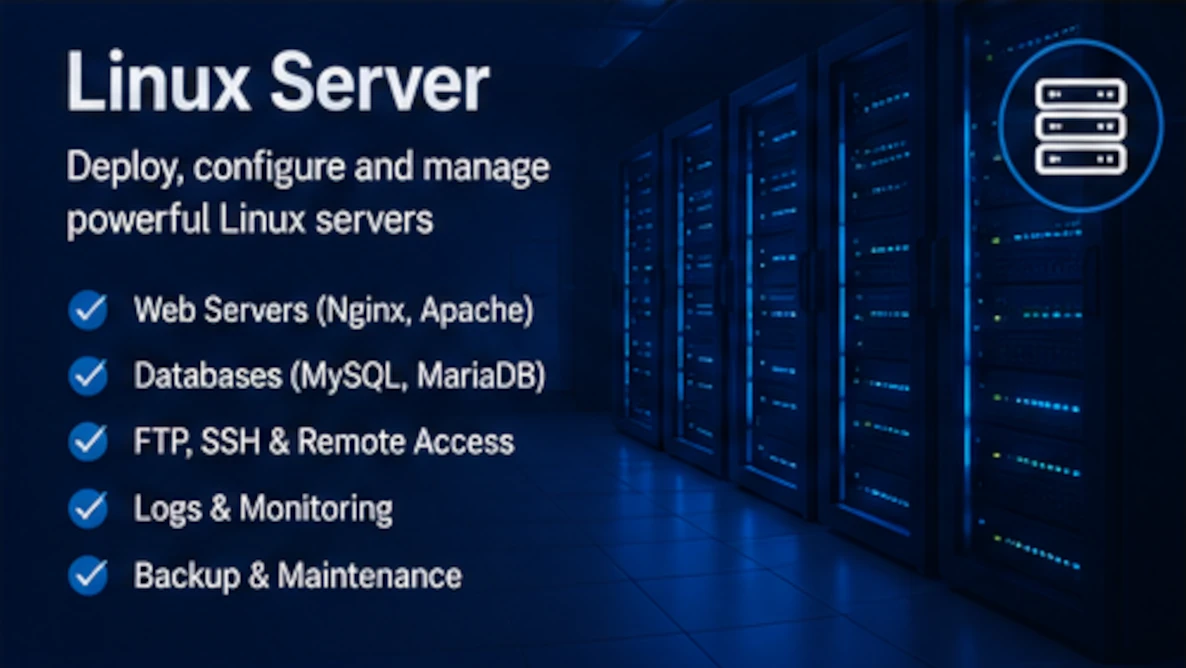
Install Nginx, PHP, MariaDB, SSH and configure a production-ready Linux server.
Read Tutorial →Follow this roadmap to become confident using Linux from the command line to server administration.
Learn the Linux filesystem, terminal navigation, files and directories.
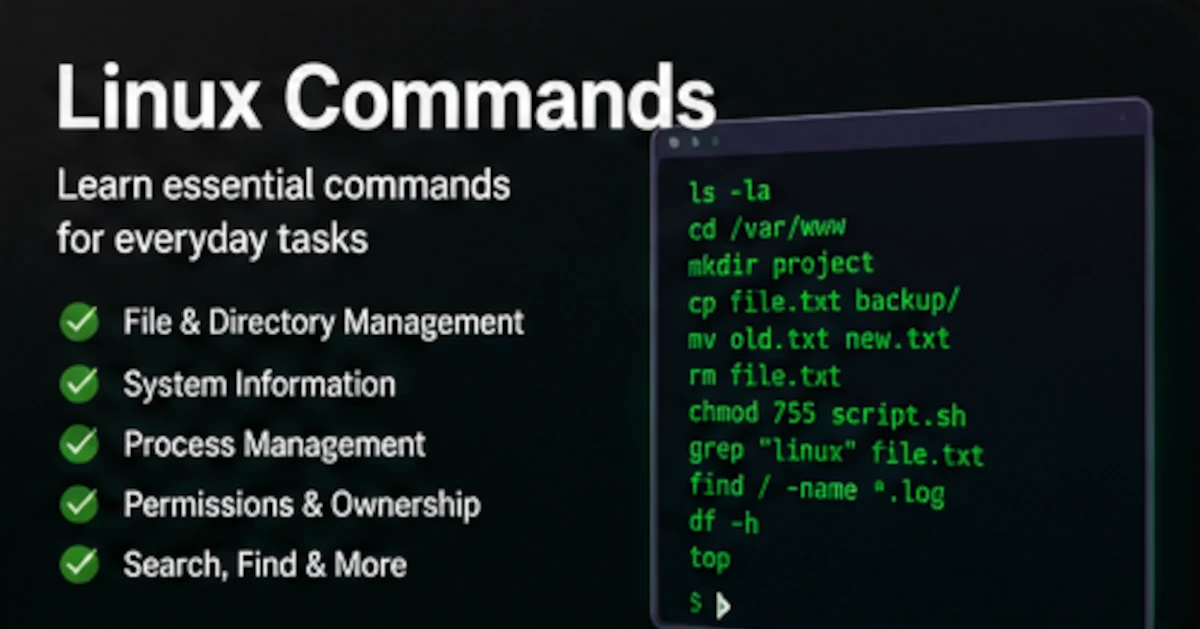
Master cp, mv, rm, find, grep, chmod, chown, tar and many more.
Automate backups, maintenance, system monitoring and repetitive tasks.
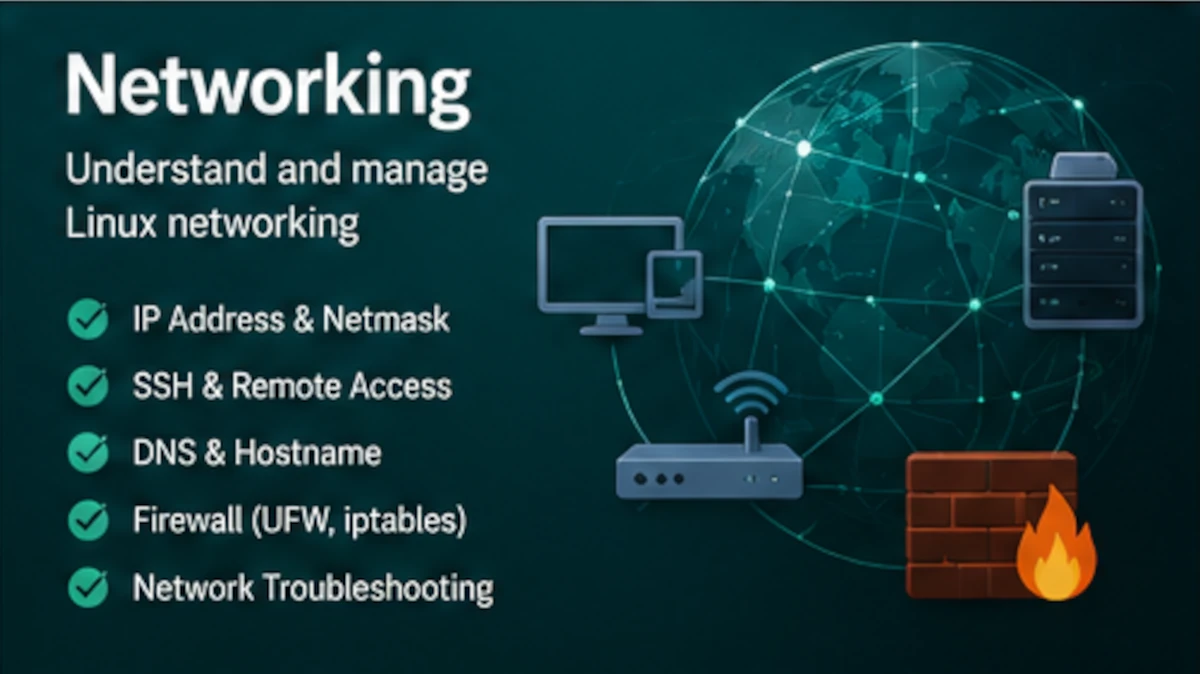
SSH, DNS, Apache, Nginx, FTP, firewalls and networking tools.
Manage servers, users, permissions, security, services and scheduled jobs.
These are some of the most useful tools every Linux user and administrator should know.
Control every aspect of Linux using the command line.
Edit configuration files quickly from the terminal.
Host websites and reverse proxies with one of the world's fastest web servers.
Manage relational databases for web applications and servers.
Securely access and manage Linux systems remotely.
Install, update and manage software packages with ease.
Linux powers millions of servers, cloud platforms, supercomputers, embedded systems and development environments. Learning Linux opens the door to careers in system administration, DevOps, cybersecurity, software engineering and cloud computing.
Linux is free, open-source and supported by a large global community.
Linux is fast, stable and widely used for servers, cloud infrastructure and enterprise systems.
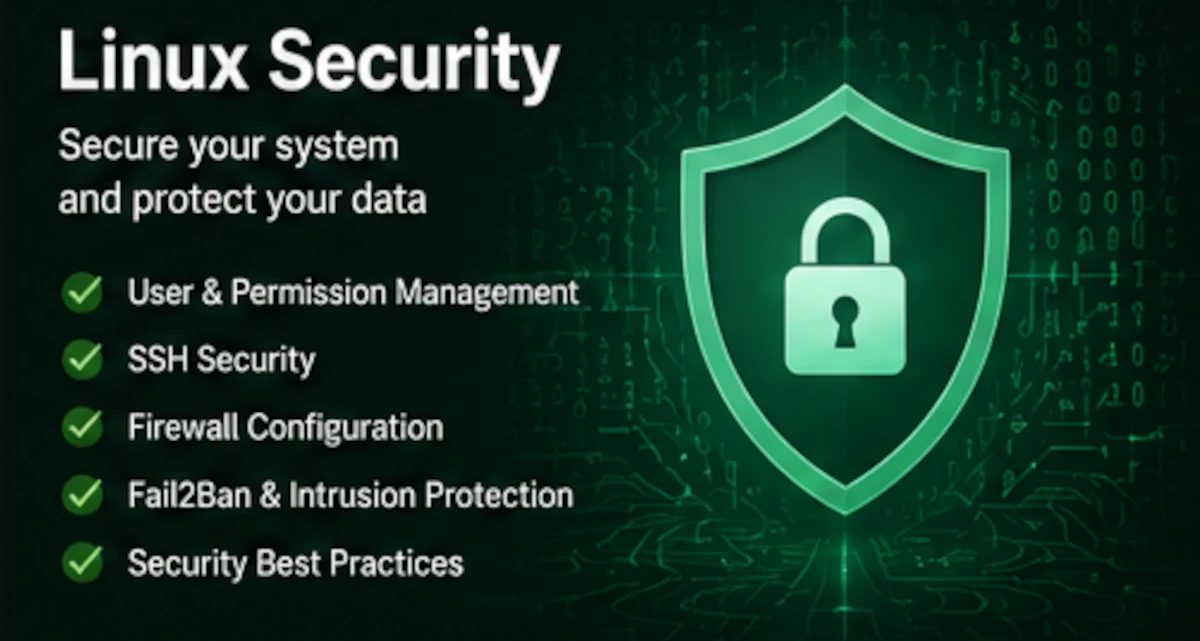
Powerful permission management and regular updates help protect Linux systems against many threats.
Linux powers web servers, cloud platforms, IoT devices, routers, smartphones and supercomputers.
Linux skills are highly valued in DevOps, system administration and cloud engineering.
Most programming tools and server technologies work exceptionally well on Linux.
Linux knowledge is valuable across many areas of the IT industry.
Install, configure and maintain Linux servers and infrastructure.
Automate deployments using Linux, Docker, Kubernetes and CI/CD pipelines.
Manage Linux virtual machines and cloud services on AWS, Azure and Google Cloud.
Secure Linux servers, monitor systems and investigate security incidents.
Deploy and maintain PHP, Python, Java and Node.js applications on Linux.
Each Linux distribution is designed with different goals and audiences in mind.
| Distribution | Best For | Difficulty |
|---|---|---|
| Ubuntu | Beginners, Desktop & Servers | ⭐⭐ |
| Debian | Stable Servers | ⭐⭐⭐ |
| Fedora | Developers | ⭐⭐⭐ |
| Arch Linux | Advanced Users | ⭐⭐⭐⭐⭐ |
| Linux Mint | Desktop Users | ⭐⭐ |
| Rocky Linux | Enterprise Servers | ⭐⭐⭐ |
Whether you're learning Linux for personal projects, web hosting, cloud computing or professional system administration, Neyews provides practical tutorials and real-world examples to help you build confidence and develop valuable skills.
Explore Linux Tutorials